
Best Picture Winner
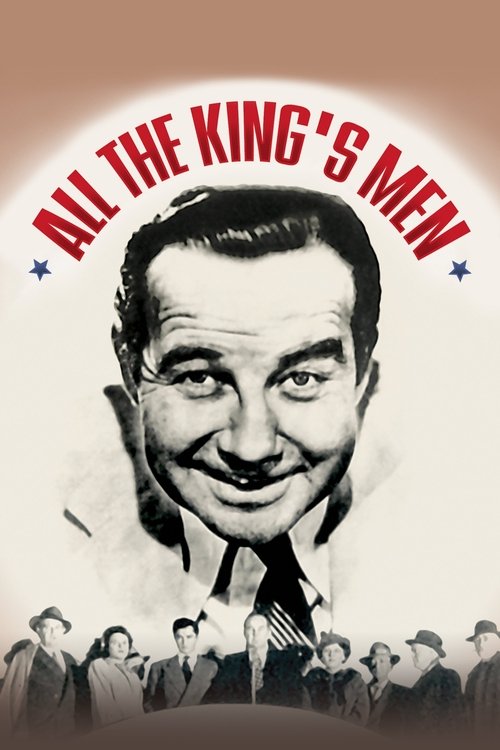
All the King's Men
Director: Robert Rossen
Studio: Columbia
The rise and fall of a corrupt politician who uses populist rhetoric to gain power.
From the Worthy Podcast
Politics in film? How you can balance political opinions or even separate them from a fictional tale. Do political films change overtime with more context or do they age more than other films because of dated references and social topics?
Political cinema, in the narrow sense of the term, are films that portray current or historical events or social conditions through a partisan perspective in order to inform or to agitate the spectator
Message of the film
All The King’s Men is not listed as a political film. It’s politics are horrifying because of how it resembles reality. Most political Best Picture winner because of its involvement with political officials.
Is there a motive behind Rossen wanting to depict American politics this way? He was a known communist. Rossen was a member of the American Communist Party from 1937 to about 1947, and believed the Party was "dedicated to social causes of the sort that we as poor Jews from New York were interested in."He ended all relations with the Party in 1949. Rossen was twice called before the House Un-American Activities Committee (HUAC), in 1951 and in 1953. He exercised his Fifth Amendment rights at his first appearance, refusing to state whether he had ever been a Communist. As a result, he found himself blacklisted by Hollywood studios as well as unable to renew his passport. At his second appearance he named 57 people as current or former Communists and his blacklisting ended. In order to repair finances he produced his next film, Mambo, in Italy in 1954. While The Hustler in 1961 was a great success, conflicts on the set of Lilith in 1964 so disillusioned him that it was his last film before his death two years later
Popular political films