
Best Picture Winner
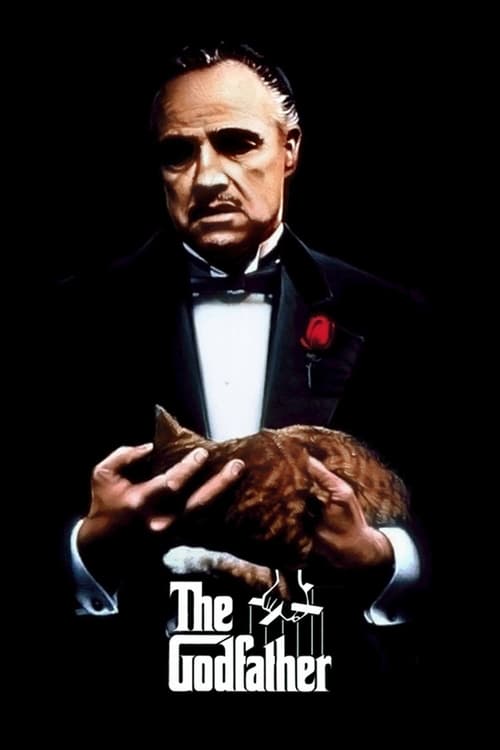
The Godfather
Director: Francis Ford Coppola
Studio: Paramount
The aging patriarch of an organized crime dynasty transfers control to his reluctant youngest son.
From the Worthy Podcast
The Gangster genre was born in the silent era but came into its own with sound, highlighting squealing tires, sirens, and gunfire. The term “gangster” referred to politicians in the 1890s.
Criminal/gangster films are one of the most enduring and popular film genres. They date back to the early days of film during the silent era. In fact, even Edwin S. Porter's silent short western The Great Train Robbery (1903) has often been considered a classic hold-up story and chase film - a movie about crime.
After the turn of the century it denoted criminals. The first talkie gangster film was The Lights of New York in (1928). With the onset of the Great Depression, bank closings, and people out of work and going hungry—Americans came to trust the system less. The gangster sometimes became the “tragic hero.” Prohibition was a great way to make money, along with gambling and other illegal activities. So gangsters made good money, dressed nicely, and led what looked to be glamorous lives. Audiences were somewhat fascinated by them and, in a time where it was such a struggle just to survive, perhaps it was also a great genre for escaping reality, which makes sense.
- The Gangster Film chapter from American Cinema | by Julia Brady-Jenner
Pre-Code Era: The early beginnings of the mafia film genre can be traced back to the "Pre-Code" era of Hollywood, which was the period before the strict enforcement of the Motion Picture Production Code (commonly known as the Hays Code) in 1934. During this time, filmmakers had more freedom to portray explicit content and controversial subjects, including crime and gangsters.
Little Caesar (1931) directed by Mervyn LeRoy and starring Edward G. Robinson, centered around the fictional character Caesar Enrico "Rico" Bandello, loosely based on Al Capone.